
About Me
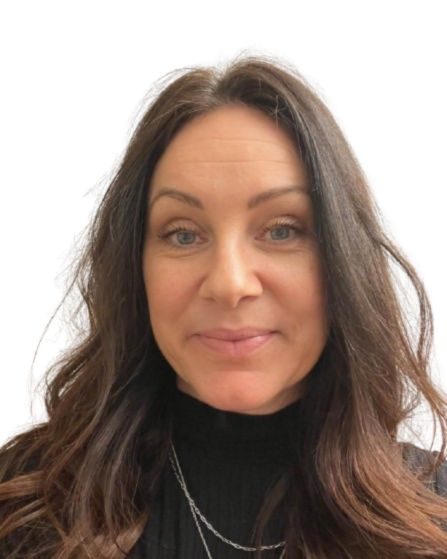
Kelly Markham MBACP (Accred) Psychotherapist
BACP Accredited | BABCP Accredited
Choosing a therapist is an important decision. Alongside training and experience, many people want a sense of who the person behind the work is and how they think about therapy.
Much of my professional life has been spent working with people who have had to cope with difficult experiences while continuing to function, often carrying significant responsibility for others. I am particularly interested in the ways people survive adversity and the strengths and coping strategies they develop in doing so.
Over time, these strategies can become both protective and costly. Many of the people I work with have become highly capable, resilient and self-reliant, yet privately feel exhausted by the pressure to keep going. My work focuses on understanding how these patterns developed and helping people find ways of living that feel less driven by survival alone.

The name The Armadillo Room comes from something I often see in this work.
Like an armadillo whose armour protects it from harm, many people develop their own form of psychological armour. It can look like strength, resilience, determination or drive, shaped by what they have lived through. That armour helps us survive, but it also shapes how we relate to ourselves and others.
Over time, the very strengths that help us cope can begin to come at a cost.
Therapy offers a space to understand these patterns with curiosity rather than criticism.
My interest in this area of work is not only professional. It is also shaped by my own experiences, which have given me a deep appreciation of how people adapt and survive through difficult circumstances.
Professional Background
I am an experienced psychotherapist and currently work within an NHS specialist psychological interventions team in secondary care mental health services. I have worked within the NHS for over nine years.
Alongside this, I spent seven years working within a specialist sexual abuse service, providing longer-term therapy to people affected by sexual abuse. I also hold a specialist domestic abuse qualification with SafeLives.
Within the NHS, I have worked in a Locality Lead role within a complex trauma pathway, in a specialist domestic abuse safeguarding role, and in primary care Talking Therapies.
Much of my work has involved longer-term therapeutic work with people whose difficulties are complex and rooted in earlier experiences.
Through these roles I have developed a strong understanding of the longer-term psychological impact of abuse, trauma and adversity, and the ways these experiences can shape patterns of coping, relationships and self-belief.
Training and Qualifications
I originally trained in integrative psychotherapy, which emphasises the importance of the therapeutic relationship and understanding each person within the context of their life experiences.
I later completed postgraduate training in Psychological Therapies Practice (CBT for Personality Disorder), with a focus on complex and trauma-related difficulties. This informs my understanding of patterns such as beliefs, coping strategies and survival responses, and is integrated into my broader therapeutic approach.
My qualifications include:
• Level 7 Postgraduate Diploma in Psychological Therapies Practice (CBT for Personality Disorder)
• Level 5 Higher Diploma in Counselling Practice
I am an accredited member of the British Association for Counselling and Psychotherapy (BACP) and an accredited member of the British Association for Behavioural and Cognitive Psychotherapies (BABCP).
I engage in ongoing professional development and regularly undertake further training to support my work. I am currently completing the Certificate Program in Traumatic Stress Studies with the Trauma Research Foundation.
How I Work
Therapy is not about being “fixed” or given solutions. For many people, it is about developing a deeper understanding of themselves, their experiences and the ways they have learned to cope.
My aim is to offer a thoughtful, non-judgemental space where difficult experiences can be explored safely and at a pace that feels manageable.
I work in a way that is both relational and reflective. This means paying attention not only to what has happened in the past, but also to how these experiences continue to shape patterns in the present, particularly in relationships, self-belief and ways of coping.
Many of the people I work with have spent years coping alone. Therapy can offer an opportunity to be understood in a different way, and to begin relating to yourself with greater compassion and flexibility.
Therapy with me is not about following a fixed model or applying techniques in a structured way. Instead, the work is shaped around you as an individual. At times, this may involve exploring earlier experiences and how they have shaped patterns in the present. At other times, it may involve focusing more on what is happening now, including thoughts, emotions and relationships.
I aim to work in a way that feels collaborative, thoughtful and grounded, offering both space to reflect and gentle challenge where this may be helpful.
The areas below reflect some of the ways I understand and approach the work, particularly in relation to trauma, abuse and longer-term patterns.
A Relational Approach
The relationship between us is an important part of therapy. I aim to offer a space where you can feel understood and able to speak openly.
Therapy can also help you develop a clearer understanding of how you relate to yourself and others, and how earlier experiences may have shaped these patterns.
Strengths and Coping
Many of the ways people cope have developed for important reasons. What may now feel difficult or exhausting often began as a way of managing challenging experiences.
Therapy focuses on understanding these patterns, and exploring how they may be helping or limiting you now.
Trauma-Informed
I work with an awareness of how trauma and adversity can affect the body, mind and relationships.
This means paying attention to pace, helping you stay within what feels manageable, and recognising that many responses to distress are understandable in the context of what you have lived through.
The Impact of
Sexual Abuse
Sexual abuse can shape how you see yourself, influence your beliefs about who you are, and affect how you relate to others and the world around you.
Some people come to therapy wanting to work on this directly, while others do not. Therapy offers a space where you can feel empowered to approach this in your own way, at a pace that feels manageable.
Complex and Interpersonal Trauma
When someone has had to cope with difficult or overwhelming situations over time, it can shape how they manage emotions, how they relate to others, and how they see themselves.
This might show up as feeling constantly on edge, finding it hard to trust, struggling in relationships, or feeling driven to keep going while privately feeling exhausted.
Therapy offers a space to understand these patterns and where they come from, and to begin to relate to yourself in a way that feels more steady and less driven by survival.
Domestic Abuse and Coercive Control
Domestic abuse and coercive control can shape how you see yourself, what you feel responsible for, and how you make sense of what has happened. This can leave people feeling confused, questioning themselves, or unsure of what is reasonable within relationships.
Therapy offers a space to understand these patterns and begin to feel more clear and empowered in how you relate to yourself and others.
Next Steps
If you are considering therapy and would like to find out whether working together might feel helpful, you are welcome to arrange an initial conversation.